
 English
 Portugues
 Pусский
 العربية
Bandeja de cables galvanizada en caliente
Hot-Dip Galvanized Cable Tray: A Comprehensive Overview Hot-dip galvanized cable trays are widely used in electrical and data cable management systems due to their superior durability, corrosion resistance, and cost-effectiveness. These trays are fabricated from high-quality steel and undergo a specialized galvanizing process to ensure long-term performance in harsh environments. Manufacturing Process The production of hot-dip galvanized cable trays involves several key steps: 1. Material Selection: High-grade steel is used to form the base structure, ensuring strength and rigidity. 2. Fabrication: The steel is cut, bent, and welded into the desired cable tray shape (ladder, perforated, or solid-bottom). 3. Surface Preparation: Before galvanizing, the steel is cleaned to remove impurities, rust, and mill scale through processes like degreasing, pickling, and fluxing. 4. Hot-Dip Galvanizing: The fabricated tray is immersed in molten zinc (typically at 450°C/840°F), creating a metallurgical bond between the steel and zinc. This forms a thick, uniform protective coating. 5. Cooling & Inspection: After galvanizing, the tray is cooled and inspected for coating quality, thickness, and adherence to industry standards (e.g., ASTM A123, ISO 1461). Key Advantages - Corrosion Resistance: The zinc coating provides excellent protection against rust, moisture, and chemical exposure, making it ideal for outdoor, industrial, and marine applications. - Long Service Life: Hot-dip galvanized trays can last decades with minimal maintenance, reducing replacement costs. - Mechanical Strength: The zinc layer enhances structural integrity, resisting abrasion and impact damage. - Fire Resistance: Steel construction ensures non-combustibility, improving safety in electrical installations. - Cost-Efficiency: While the initial cost may be higher than painted or stainless steel alternatives, the long-term savings in maintenance and replacement justify the investment. Applications Hot-dip galvanized cable trays are used in: - Industrial Plants: Chemical, oil & gas, and manufacturing facilities with corrosive atmospheres. - Power & Utility Systems: Substations, power plants, and renewable energy installations. - Telecommunications & Data Centers: Supports heavy cable loads while resisting environmental degradation. - Transportation Infrastructure: Airports, railways, and tunnels where exposure to moisture and salts is common. Maintenance & Considerations Though highly durable, periodic inspections are recommended to check for coating damage or excessive wear. Minor scratches can be repaired with zinc-rich paint to maintain corrosion resistance. Proper installation and load capacity adherence are crucial to prevent structural stress. Conclusion Hot-dip galvanized cable trays offer an optimal balance of strength, longevity, and corrosion resistance, making them a preferred choice for demanding cable management applications. Their ability to withstand harsh conditions while requiring minimal upkeep ensures reliable performance across various industries.
Producto
Categoría:
-
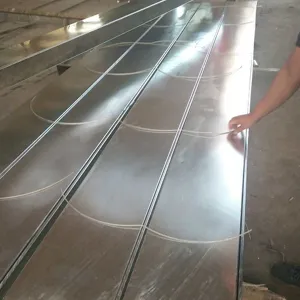
Bandeja de cables galvanizada en caliente
Su clasificación: Bandeja de cables galvanizada en caliente (HDG)Vistas: 36Número:Tiempo de liberación: 2025-11-23 23:59:07Selección de materiales para sistemas de bandejas portacables en ambientes corrosivos o al aire libre Al diseñar sistemas de bandejas portacables para ambientes corrosivos o al aire libre, la selección del material es una decisión crítica. Las bandejas portacables galvanizadas en caliente (HDG) se utilizan con éxito desde hace muchos años. Sin embargo, el aluminio se está convirtiendo cada vez más en el material preferido para los sistemas de bandejas portacables. En la era actual de presupuestos de construcción cada vez más reducidos, ¿por qué los ingenieros, contratistas y usuarios finales eligen bandejas portacables de aluminio, aunque su costo inicial suele ser más alto que el de las bandejas portacables de acero galvanizado en caliente? La respuesta está en las ventajas del aluminio en cuanto a diseño, instalación, entrega, rendimiento y costo total de propiedad (TCO) durante el ciclo de vida de la instalación. -
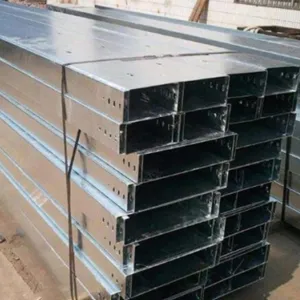
Bandeja de cables galvanizada en caliente
Su clasificación: Bandeja de cables galvanizada en caliente (HDG)Vistas: 38Número:Tiempo de liberación: 2025-11-24 00:01:25Especificaciones de instalación y disposición de la bandeja de cables Las bandejas de cables se organizarán de arriba a abajo de la siguiente manera: bandejas de cables de computadora, bandejas de cables blindados, bandejas de cables de control maestro, bandejas de cables de iluminación y energía de bajo voltaje y bandejas de cables de alto voltaje. Si en una misma bandeja fuera necesario colocar dos cables de distinta finalidad, se instalará un tabique intermedio para separarlos y se cubrirá la bandeja con una placa.
Noticias
Categoría:
¡Sin resultados de búsqueda!
Caso
Categoría:
¡Sin resultados de búsqueda!
Video
Categoría:
¡Sin resultados de búsqueda!
Descargar
Categoría:
¡Sin resultados de búsqueda!
Reclutamiento
Categoría:
¡Sin resultados de búsqueda!
Productos recomendados
¡Sin resultados de búsqueda!



 Whatsapp
 Teléfono
 E-mail